How to Apply Asphalt Emulsion Sealer (Step-by-Step Guide for Contractors)
If you’re switching from coal tar or want more consistent results with asphalt emulsion, this guide walks you through exactly how to apply asphalt emulsion sealer properly.
Asphalt emulsion has improved significantly over the past 20 to 25 years, but it requires the right mix, equipment, and technique to perform at its best.
Quick Answer: How to Apply Asphalt Emulsion Sealer
To apply asphalt emulsion sealer, ensure surface and air temperatures are above 10°C and rising, mix and dilute the material correctly, add sand and additives as needed, apply an even coat using a spray system or brush, and allow proper cure time before applying a second coat.
Key Takeaways
- Coal tar sealer is banned across Canada.
- Asphalt emulsion is fully compliant and safer to use.
- Polymer-modified asphalt emulsion requires a diaphragm pump.
- Over-dilution is the number one cause of AE failures.
- Shaded areas should be brushed, not sprayed.
- Two-coat jobs are easier with AE because there is no coal tar off-gassing delay.
Why Contractors are Switching to Asphalt Emulsion
Coal tar emulsion sealer has been banned across Canada due to high levels of polycyclic aromatic hydrocarbons (PAHs) — harmful to human health and aquatic ecosystems. This ban is permanent. The good news: today’s AE product is vastly improved. Raw materials, emulsification technology, and additive chemistry have all advanced significantly over the past 20–25 years.Coal Tar vs Asphalt Emulsion
Category |
Coal Tar |
Asphalt Emulsion |
|---|---|---|
Legal Status |
Banned |
Fully compliant |
Full Cure Time |
17 to 21 days to fully off-gas PAHs |
Hours, cured when visually dry |
Forgiveness |
More forgiving of application mistakes |
Rewards proper technique |
Coverage Rate |
About 80 to 100 sq ft per gallon |
About 100 sq ft per gallon diluted |
Tire Marks |
Common complaint in heat |
Significantly reduced |
Safety |
PAH exposure, burns, and eye irritation risks |
Water-based and safer to use |
Two-Coat Jobs |
Trapped PAHs can cause peeling |
Better suited, no off-gassing delay |
Step-by-Step Asphalt Emulsion Sealer Application
- Check Conditions
Surface and air temperature must be at least 10°C and rising. Avoid rain within 24 hours. - Mix and Dilute Properly
Follow recommended dilution rates. Do not over-dilute. - Add Sand and Additives
Use 1.5 to 2 lbs of sand per gallon (based on concentrate). Add Top Tuff for durability. - Apply First Coat Evenly
Do not apply a heavy coat. Focus on consistent coverage. - Allow Proper Cure Time
Wait at least 4 hours in good conditions. Perform a scuff test before recoating. - Apply Second Coat (If Needed)
Apply a full, even coat. Avoid over-application.
Asphalt Emulsion Equipment Requirements
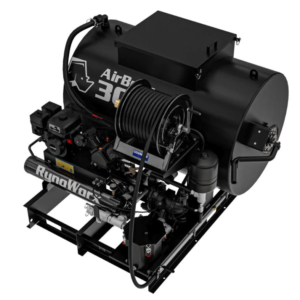
Pump Requirements
A diaphragm pump is required when using a polymer modified asphalt emulsion sealer.
Centrifugal, banjo, and trash pumps are perfectly fine — as long as you're using a standard asphalt emulsion sealer without polymers or sand added.
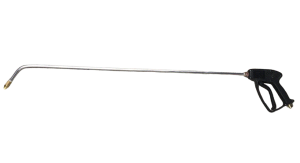
Spray Tips
For open commercial areas, larger tip sizes (80/50 to 80/100) will give you the coverage and speed needed across the lot.
For residential jobs or cutting in edges, step down to a smaller tip (80/30 to 80/40) for better control. Having a couple of sizes on hand is recommended so you can switch depending on the task.

Brushes & Squeegees
We strongly recommend synthetic nylon brushes for best results — natural fiber brushes like Tampico can work, but they tend to be less efficient at pushing the material properly. Nylon bristles ride parallel to the ground and move product more effectively. Squeegees also work well with asphalt emulsion sealers.
Dilution Rates & Mix Consistency
Product Type |
Water to Add |
Notes |
|---|---|---|
Ready-to-Use, such as PMM |
5-10% |
Pre-diluted; water for workability only. Use lower end in cool weather. |
Concentrate, such as MasterSeal |
25% (30% in peak heat) |
Dilution is part of activation. Use up to 30% in extreme heat — water evaporates fast. |
Do NOT over-dilute asphalt emulsion
Over-dilution is the #1 cause of AE failures. Extra water reduces solids and weakens the film. A thicker mix actually spreads farther.
Drop a small amount of water onto the sealer in your tank. If it makes a slight dent before blending in, the consistency is right. If it disappears instantly, the mix is too thin.
Sand and Additives for Asphalt Emulsion
Think of sand like rebar in concrete — it is the reinforcement that determines how long your job lasts. Sand is more critical in AE than it ever was with coal tar.
Sand Calculation Rule
Use 1.5 to 2 lbs of sand per gallon based on concentrate volume, not total tank volume. Example: 100 gal ready-to-use = treat as ~70 gal concentrate. Calculate sand off 70 gal.
Additive Recommendation
Top Tuff additive is highly recommended — it hardens the film to resist tire marks and power steering wear, especially in summer heat.
Asphalt Emulsion Application Best Practices
Temperature & Weather
Surface AND air must be 50°F (10°C) or above and rising. Lay your forearm on the pavement — if it feels cold, don't apply. No rain within 24 hours.
Shaded Areas — Critical
Brush, don't spray in shaded areas (building shadows, overhangs, tree cover). Spraying a heavy coat in shade and hoping it cures will cause failure.
Spray Application
Use 80/50–80/100 tips in open areas. Match walking speed for even, complete coverage. Do NOT try to apply a heavy first coat — even coverage is the goal.
Spill Cleanup
AE cleans up with water. Remove loose material first, add water to dilute, then remove. Repeat until clean. Tar Buster works well on hands and tools.
Two-Coat Asphalt Emulsion Jobs
AE is actually better suited to two-coat applications than coal tar — no off-gassing means no trapped contaminants causing peeling.- First Coat: Apply 70 to 80% of a full coat. Some aggregate showing through is fine.
- Wait Time: Wait at least 4 hours in warm, dry, sunny conditions. Use the scuff test (trailer tire + foot pressure). If it holds, you’re good.
- Second Coat: Apply a normal full coat. Do not cake on two heavy coats. Use 70-series tips for a lighter finish pass.
- Stripe Painting: Use latex paint after cure. Test solvent-based paint first as it may discolour — allow extra cure time.
Asphalt Emulsion Storage
Before using stored material in spring, inspect it, check for unusual odours, and agitate it thoroughly before spraying.Prevent From Freezing
Asphalt emulsion can be stored over winter, but it must be kept indoors and protected from freezing (32°F / 0°C). If AE freezes, it can separate and become unusable.
Agitate in Spring
Asphalt emulsion settles over time, especially after sitting through the off-season. Sand, water, and binder can separate inside the tank. Before spraying, fully agitate the material until the mix is consistent. Daily agitation during the season also helps prevent settling and keeps the material ready to apply.
Preventing Bacteria
A rotten egg or sulphur smell usually means bacteria contamination. The most common cause is pouring leftover job material back into your bulk tank. Keep stored or leftover material separate from your main supply to reduce contamination risk.
Bacteria Treatment
Mix 1 part pool shock to 1 part water. For a 4,000-gal tank: 4 gal shock + 4 gal water. Agitate for 30 to 45 minutes. Do not fill the tank completely during treatment. The reaction can create extra volume and may cause overflow.
Asphalt Emulsion Quick Reference Card
Item | Recommendation |
|---|---|
Temperature | 10°C (50°F) pavement and air, rising |
Pump | Dual diaphragm for Polymer Modified — no centrifugal |
Tips / Brush | 80/30–80/100 depending on job size;
nylon/synthetic brush suggested |
Dilution | RTU: 5–10% | Concentrate: 25–30% |
Sand | 1.5–2 lbs/gal off concentrate; 30–60 mesh silica |
Shaded Areas | Brush only — never spray in shade |
Two-Coat Wait | Min. 4 hrs; confirm with scuff test |
Agitation | Daily — confirm shaft is spinning |
Need help choosing the right asphalt emulsion setup?
Pavement Depot can help you match the right sealer, pump, tips, additives, and application process for your jobs.