The Industry is Changing—Are You Ready?
For years, coal tar was the go-to for sealcoating across Ontario. It was reliable, familiar, and got the job done.
But things are changing.
Between environmental concerns, health considerations, and shifting regulations, more contractors are moving toward asphalt emulsion (AE). This is not just a trend, it is where the industry is heading.
The good news is, making the switch does not mean slowing down your crews or hurting your margins. With the right approach, you can keep your production moving and still deliver a high-quality finish your customers expect.
What Makes Asphalt Emulsion Different?
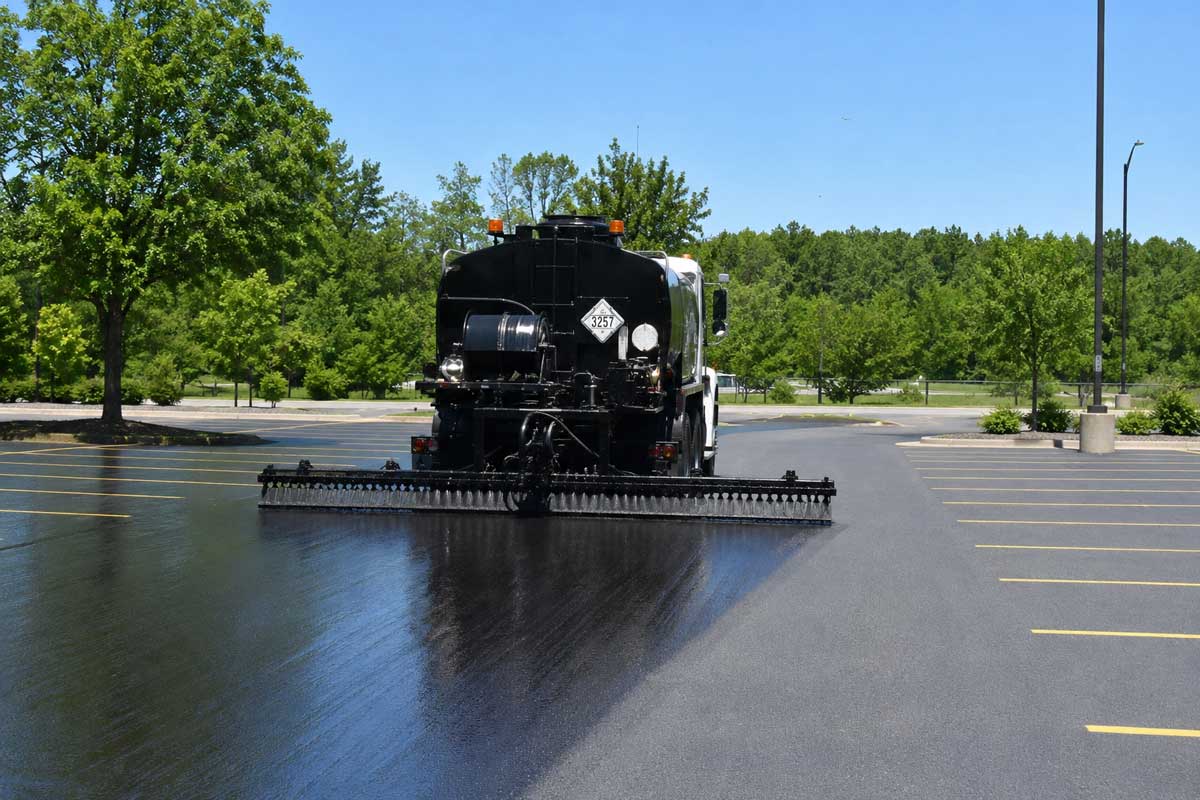
Asphalt emulsion is built to work with your pavement, not just sit on top of it.
Unlike coal tar, which comes from processed coal byproducts, AE is made from the same type of binder already in asphalt. That means it bonds more naturally to the surface.
In the field, that translates to:
- ✅ Better adhesion
- ✅ A more uniform, professional finish
- ✅ A coating that stays flexible over time
That flexibility matters, especially in Ontario. With constant freeze-thaw cycles, you need a product that moves with the pavement instead of becoming brittle and cracking.
What Your Crew Will Notice First
Switching to AE is not just about performance. Your crew will notice the difference right away.
Less Odour
AE does not have the strong smell that comes with coal tar. This makes a big difference when you are working in residential areas or around restaurants.
Easier on Skin
Coal tar can be rough on your crew’s skin. AE is much less harsh, which helps improve working conditions on the jobsite.
More Weather-Sensitive
This is the big one. AE is more sensitive to temperature and humidity.
To get the best results, you need to follow the 10/10 rule:
- Surface temperature: at least 10°C
- Air temperature: at least 10°C and rising
If you respect that, you will get a clean, professional finish.
Products That Make the Transition Easier
 At Pavement Depot, we stock proven asphalt emulsion options that contractors can rely on.
- MasterSeal (Asphalt-Based Sealer): This is your everyday workhorse. It delivers a rich black finish and solid protection against weather and moisture. For most jobs, it is a direct replacement for what you are used to.
- PMM (Polymer Modified MasterSeal): For high-traffic areas or demanding clients, PMM steps it up. The added polymers help it dry faster and hold up better under heavy use.
If you’re working on commercial lots or properties where durability matters, this is a strong upgrade.
Pro Tips for Switching to Asphalt Emulsion
The coal tar to asphalt emulsion transition is straightforward, but there are a few things you need to get right.
Clean Your Tank Properly
You cannot mix coal tar and AE. If you do, you will run into clumping and equipment issues. Before switching, fully pressure wash your tank, lines, and pumps.
Dial In Your Mix Design
AE usually needs less water than coal tar. Follow the product specs closely. Too much dilution can lead to a grey finish or slow dry times.
Use Additives When Needed
Additives can make a big difference, especially in Ontario conditions. They help with sand suspension and can speed up drying when humidity is high.
Final Thoughts
Making the switch to asphalt emulsion is not about giving something up. It is about adapting to where the industry is going.
With the right products, proper prep, and a few adjustments in how you apply it, you can keep delivering strong results while staying ahead of the curve.
👉 If you have questions about switching or want help choosing the right setup, the team at Pavement Depot is here to help. Contact us!
Contractor FAQs
What is the main difference between coal tar and asphalt emulsion?
Coal tar is made from processed coal byproducts. Asphalt emulsion is made from the same binder already found in asphalt pavement. Because of that, asphalt emulsion bonds better to the surface and stays more flexible, especially in colder climates like Ontario.
Can I use my existing spray system for asphalt emulsion?
Yes, most sealcoating systems will work with asphalt emulsion. The key is making sure your tank, lines, and pumps are fully cleaned out first. Any leftover coal tar can cause clumping and clog your equipment.
Why is coal tar being restricted in Ontario?
Coal tar contains high levels of PAHs, which are linked to health and environmental concerns. These can cause skin irritation for crews and contaminate runoff water. Asphalt emulsion is a safer, low-VOC alternative, which is why more contractors are making the switch.